Using Egg Ingredients in Cakes
Aeration, structure, crumb and colour — how egg powders and liquid egg behave in commercial cake systems, from sponge foams to butter-cake batters.
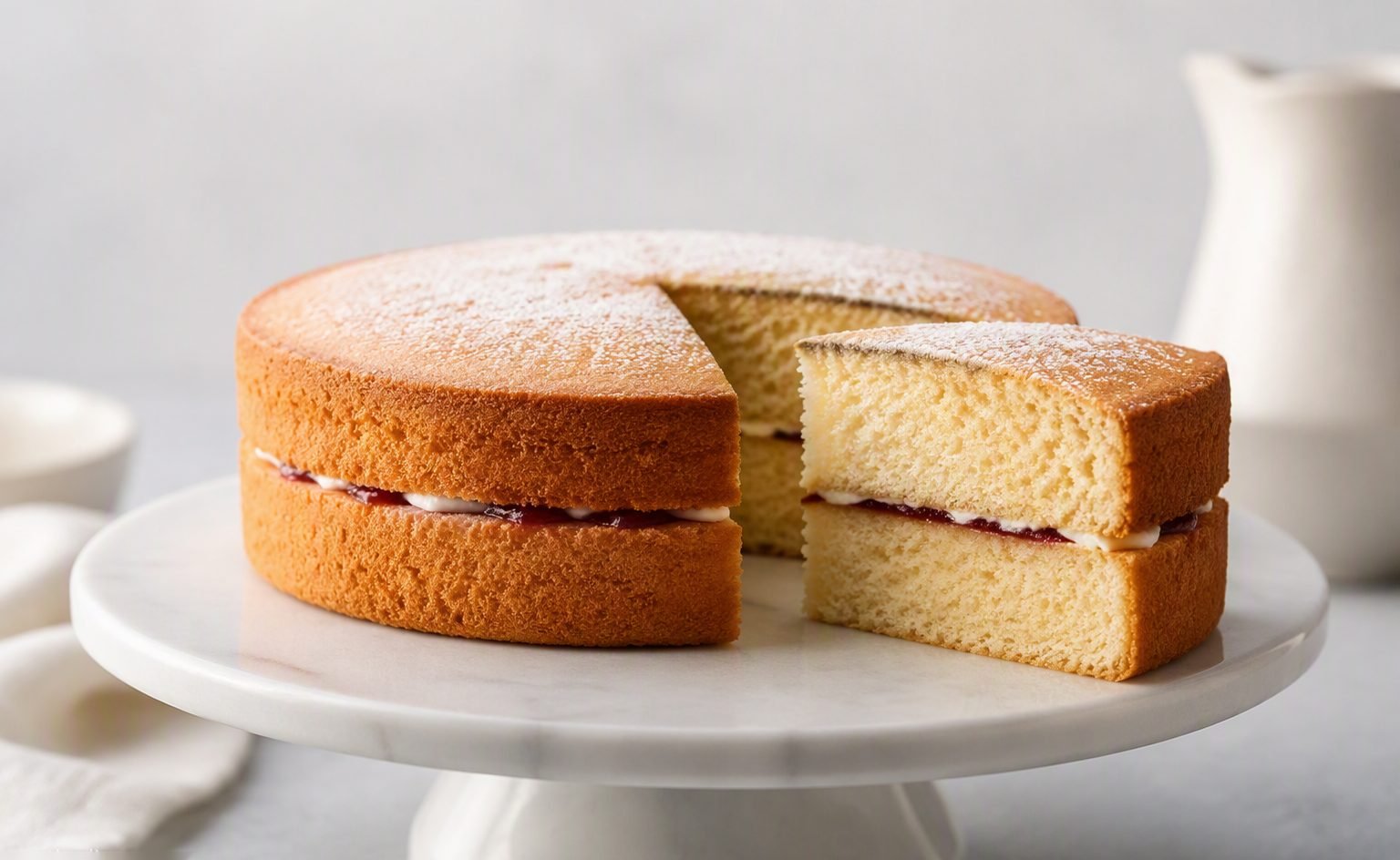
The application: cakes and cake systems
Cakes are egg's most demanding bakery application. Where bread leans on gluten for structure, cake systems — sponges, foam cakes, pound and butter cakes, muffins, Swiss rolls, layer cakes — depend heavily on egg for aeration, structure and crumb character. Remove egg from a sponge and the product collapses conceptually before it collapses physically: the whipped egg foam is the cake.
Commercial cake production adds the manufacturing dimension: continuous aeration systems, depositing lines, tunnel ovens and shelf-life requirements that small-batch recipes never face. This guide covers how egg ingredients behave in those systems. For the procurement-side view, see the bakery industry page; for baking generally, the baking application guide.
Where egg ingredients fit in cake formulation
Cake systems split into two families, and egg's role differs between them. In foam-based cakes (sponge, genoise, chiffon, angel cake), whipped egg or egg white traps air that expands in the oven; the egg proteins then coagulate around those bubbles, setting the structure permanently. Foam volume and stability are everything here — the egg is the leavening system. In batter-based cakes (pound, butter, muffins, most commercial layer cakes), creamed fat and chemical leavening provide the lift, while egg emulsifies the fat-water system, contributes structure and delivers richness and colour.
Egg also shapes crumb characteristics in both families: the tender, moist, fine crumb consumers expect reflects egg proteins' heat-set gel and yolk's tenderising fat in combination. And egg drives colour — golden crumb from yolk carotenoids, attractive crust browning from egg solids' participation in browning reactions.
Direct-answer: what is egg powder used for in cakes?
The same things fresh egg does: whole egg powder rehydrated per the technical data sheet provides the protein for structure, the yolk components for emulsification and richness, and the solids for colour and flavour. Egg white powder supplies whipping functionality for foam cakes. The powder format simply moves storage and handling to the dry store.
Which Egg Ingredient May Fit?
Potentially relevant ingredients for evaluation include Whole Egg Powder, Egg Yolk Powder, Egg White Powder and Liquid Whole Egg. Final ingredient selection depends on formulation, process and customer requirements.
Egg products for cake production
Whole Egg Powder
The standard cake ingredient — balanced protein and yolk components for sponges, layer cakes, muffins and rolls.
View product → SpecialistEgg White Powder
High-whip albumen for angel and chiffon-type foam cakes, meringue toppings and fat-free systems where whipping is the product.
View product → SpecialistEgg Yolk Powder
Enrichment for butter-style cakes and fillings where yolk's emulsification, colour and richness lead the formulation.
View product → AlternativeLiquid Whole Egg
Pasteurised, chilled — suits continuous cake lines with cold storage and high daily throughput. [PRODUCT AVAILABILITY TO BE CONFIRMED]
View product →Functional considerations in cake systems
- Aeration — whipping incorporates air; foam density and bubble size distribution shape volume and crumb fineness. Albumen's whipping properties are the technical heart of foam cakes.
- Foam stability — the foam must survive sugar addition, flour folding and depositing before the oven sets it; protein quality and handling both matter.
- Structure setting — egg proteins coagulate through the bake, converting a fluid batter or fragile foam into a self-supporting crumb.
- Emulsification — yolk lecithin stabilises fat-in-water batters in rich cakes, supporting uniform crumb and volume.
- Colour — yolk carotenoids for crumb colour; egg solids for crust browning. Powder dosage directly influences both.
- Moisture and perceived freshness — egg's water and emulsified fat contribute to moist eating quality across shelf life.
None of this is a guarantee of cake quality: oven profile, mixing energy, flour quality, sugar system and fat system all interact with egg's contribution. These are the levers, not the outcome.
Formulation considerations
Format conversion. Cake formulations are typically more sensitive than breads to ingredient changes, because foam and emulsion systems respond to small shifts in solids and viscosity. Calculate the powder-plus-water equivalent from the TDS reconstitution ratio, then validate through bench trials measuring what matters to your product: batter specific gravity, deposit weight, volume, crumb structure. Exact ratios publish with the TDS [SPECIFICATION TO BE CONFIRMED] — treat conversions as starting points requiring validation, not finished answers.
Whipping behaviour. For foam systems, verify whipping performance of each incoming lot in your standard test — whip time, foam density, stability — before releasing to production. Properly produced egg white powder whips well, but your line deserves lot-level verification rather than assumption.
Sugar and fat interactions. High-sugar systems delay protein coagulation and tenderise crumb; high-fat systems lean harder on yolk's emulsification. Egg dosage adjustments in rich formulations should be developed in trials, not extrapolated from lean recipes.
Processing considerations
At production scale, watch: mixing and aeration parameters (continuous aerators respond to feed viscosity, which format changes can shift); depositing accuracy with foam-based batters (time between mixing and depositing affects volume); and bake profile (structure set and colour development follow the same chemistry as fresh-egg systems when reconstitution is correct). Reconstituted egg is perishable — chilled, covered, used promptly. These are the variables to monitor in trials; your own process parameters remain yours to set.
Powder vs liquid vs fresh in cake production
Powder gives dry-store logistics, long shelf life, precise scaling and standardised composition across sites and seasons — decisive for premix manufacturers and multi-site groups. Liquid skips the rehydration step and behaves most like shell egg in sensitive foams — attractive for single high-volume plants with cold storage and daily stock turn. Fresh shell egg still appears in craft patisserie, but its breakage, hygiene and variability costs compound at industrial scale.
Cakes are the application where format sensitivity is highest, so the honest advice is: choose on operations, then validate on foam. Neither powder nor liquid is universally better — the trial results in your system are the only ranking that matters.
Procurement considerations
- Specification — written parameters including functionality-relevant data; batches released against it.
- COA per batch — compositional and micro results feeding your QC records.
- Whipping verification — for foam systems, agree how whipping performance is documented and test lots on arrival.
- Packaging — [PACKAGING TO BE CONFIRMED]; moisture-protective formats sized to your usage rate.
- MOQ, shelf life, storage — [ACTUAL MOQ]; shelf life per TDS [SPECIFICATION TO BE CONFIRMED]; cool, dry, sealed storage.
- Shipping & documentation — dry cargo for powder; batch COA and shipping docs per order — [TO BE CONFIRMED].
Quality & food safety: what to evaluate
Cake manufacturers should evaluate suppliers on pasteurisation validation and micro standards first — egg is pathogen-sensitive — then on functional consistency: whipping, colour and flavour should hold across lots in your own testing. Batch coding and traceability complete the supplier picture.
Our approach is described on the quality page. Certifications remain [CERTIFICATION TO BE CONFIRMED] until verified documents are published.
Cakes application questions
The same functions as fresh egg: aeration and foam structure in sponges, emulsification and richness in butter cakes, plus colour and flavour. Whole egg powder rehydrated per the technical data sheet performs these roles in commercial cake production.
Whole egg powder for whole-egg sponges; egg white powder where a fat-free, high-whip foam is the product (angel or chiffon types). Verify whipping performance per lot in your standard test before releasing to production.
Properly produced and rehydrated egg white and whole egg powders develop functional foams for commercial cake systems. Whip time and foam characteristics can differ from shell egg — validate in trials with your mixing system rather than assuming identical behaviour.
Egg proteins set the crumb's structure as they coagulate during baking; yolk fat tenderises and enriches it. Together they produce the fine, moist, tender crumb associated with quality cakes — in interaction with the flour, sugar and fat system, not in isolation.
Yes — whole egg powder is a standard premix component, contributing egg solids in dry form. The premix's declared water addition must account for the reconstitution water; exact ratios publish with the technical data sheet [SPECIFICATION TO BE CONFIRMED].
Yolk carotenoids colour the crumb and egg solids support crust browning in powder format as in fresh. Colour intensity tracks dosage — adjust and confirm in trials if converting from a fresh-egg baseline.
Written specification, COA per batch, validated pasteurisation and micro standards, whipping performance where foams matter, packaging integrity, and lot-to-lot consistency in your own trials.
Cool, dry, sealed storage; reseal opened packs promptly. Rehydrate per the TDS with full dispersion, and treat reconstituted egg like fresh liquid egg — chilled and used promptly.
[ACTUAL MOQ] — MOQ depends on packaging and delivery location and is confirmed per enquiry. Samples are available for formulation and line trials.
Producing cakes at scale?
Share your cake system, process and volumes — we respond with specs, samples and pricing.